When you live with chronic or unexplained health issues like IBS, endometriosis, fatigue, or migraines, walking into a doctor’s clinic with a vague description like "I've been feeling terrible for weeks" rarely leads to immediate answers.
Standard consultations in Australia usually last around 10 to 15 minutes. In that short window, your General Practitioner (GP) or specialist must triage your history, rule out urgent red flags, and determine the right pathology tests or MBS-subsidised referrals.
A well-structured symptom diary helps turn subjective discomfort into clear, clinical data. But throwing pages of chaotic notes at your doctor won't help either.
To help your GP connect the dots quickly, here are the 5 essential elements every doctor needs to see in your symptom log.
1. Precise Timeline and Onset Details
Doctors think in timelines. A scattershot list of symptoms makes it difficult to differentiate acute flare-ups from chronic underlying conditions.
For every symptom entry, record:
-
Start and End Times: Did the bloating start 20 minutes after lunch or last all day?
-
Frequency: Is this a daily issue, or does it happen strictly during specific phases of your menstrual cycle?
-
Onset Speed: Did the pain hit suddenly (acute) or build up over three weeks (insidious)?
> Insight: Clear onset tracking helps distinguish conditions like Small Intestinal Bacterial Overgrowth (SIBO) from Food Intolerances or Inflammatory Bowel Disease (IBD).
2. Objective Severity Ratings (Not Just "It Hurts")
"Mild," "medium," and "severe" mean different things to different people. Doctors prefer standard numerical scales or functional metrics to gauge severity accurately.
-
Use a 1-10 Pain/Severity Scale: Establish a personal baseline (e.g., 1 = noticeable discomfort, 5 = distracted from daily tasks, 10 = unable to get out of bed).
-
Track Daily Impact: Note specific functional limitations, such as "Had to leave work early due to fatigue" or "Could not eat dinner due to nausea."
3. Associated Triggers (Meals, Sleep, Stress & Environment)
Isolated symptoms rarely tell the full story. Your GP needs to see context to identify root causes.
Make sure your symptom tracker captures:
-
Dietary Inputs: Exact ingredients, not just generic meals (e.g., "Garlic pasta with cream sauce" rather than "Dinner").
-
Lifestyle Factors: Sleep duration/quality, physical exertion, stress levels, and alcohol or caffeine intake.
-
Environmental Context: Weather changes, travel, or phase of your cycle.
Pro Tip: Spotting correlations across diet, stress, and symptoms manually is exhausting. Using a powerful health tracker like Toastie allows you to log meals via photos or quick voice notes while AI automatically cross-analyzes potential food and lifestyle triggers.
4. Interventions and Treatments Tried
Your doctor needs to know what you’ve already done to manage the issue and whether it helped or made things worse.
Include a log of:
-
Over-the-Counter (OTC) Medications: Antihistamines, pain relievers, antacids, or laxatives used during flare-ups.
-
Supplements & Herbal Remedies: Dosages and brands.
-
Non-Pharmacological Relief: Heat packs, fasting, rest, or gentle movement.
-
Response to Intervention: Did Paracetamol reduce the pain score from an 8 to a 4, or did it have zero effect?
5. Associated Secondary Symptoms (The "Silent" Signals)
Primary symptoms (like abdominal pain or joint stiffness) often overshadow subtler secondary signals. However, these secondary clues are frequently what point your GP toward an accurate diagnosis.
Be sure to log secondary symptoms alongside primary complaints:
-
Brain fog, lightheadedness, or sudden temperature sensitivity
-
Skin rashes, hives, or flushing after meals
-
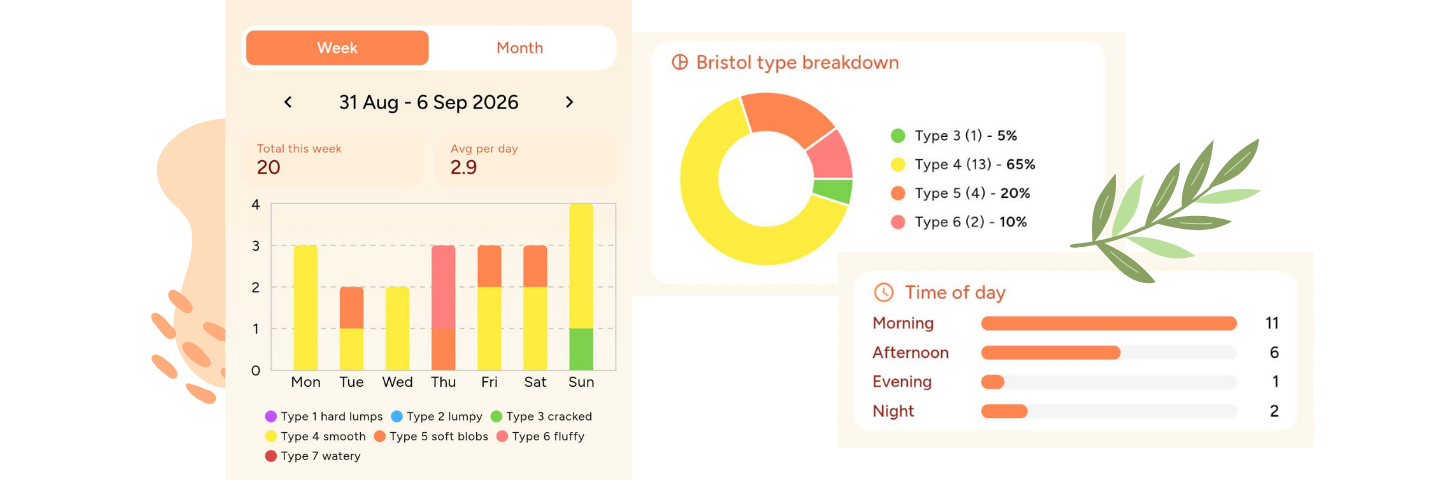
Stool consistency (using the Bristol Stool Chart for GI concerns)
-
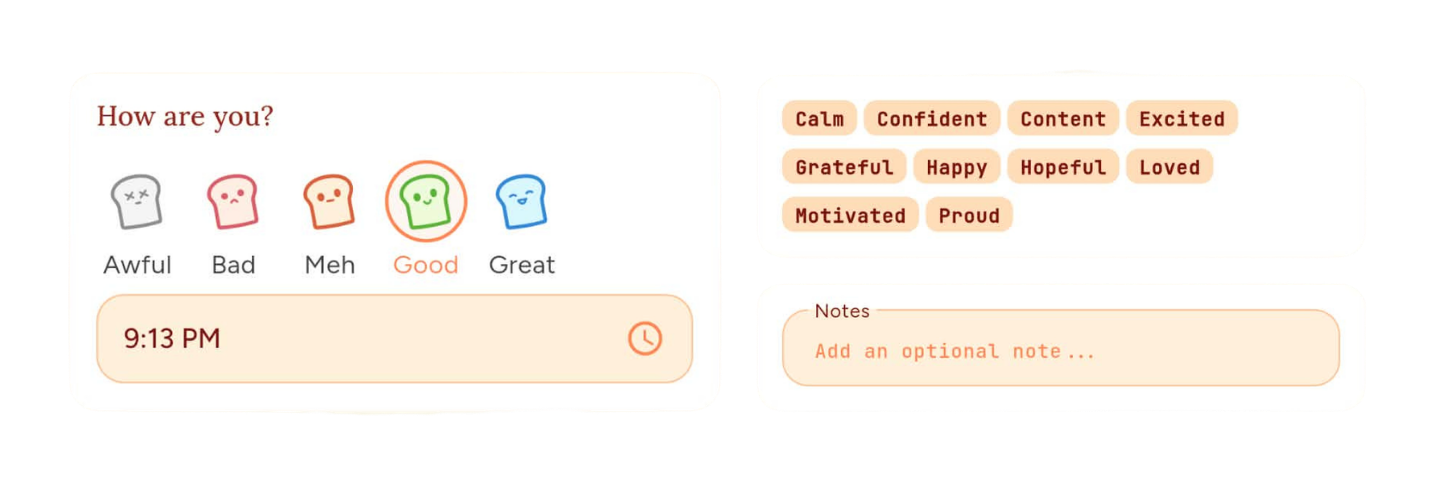
Mood changes, anxiety spikes, or unexplainable night sweats
How to Present Your Diary Without Overwhelming Your GP
Bringing 30 pages of handwritten notebook entries can cause clinical overwhelm. Instead, synthesize your data:
-
Keep Raw Data Digital: Use a dedicated app to capture daily inputs effortlessly.
-
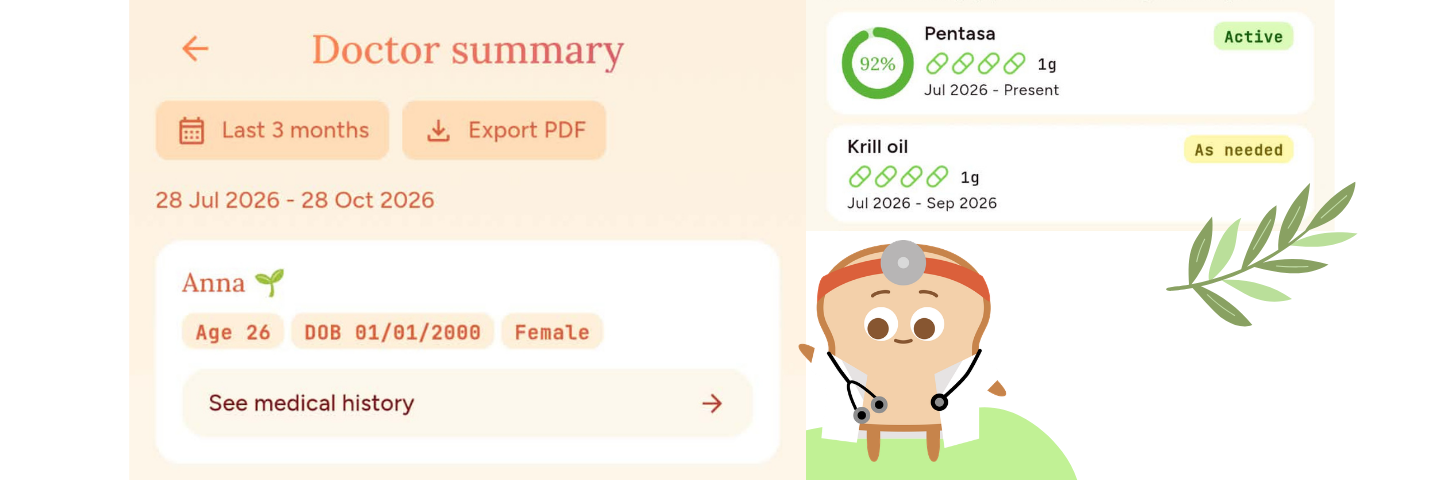
Export a 1-Page Summary: Generate a high-level overview highlighting averages, flare frequency, and key suspected triggers.
-
Highlight Key Trends: Use bullet points or visual charts so your GP can scan the data in 30 seconds.
Stop Manual Logging: Let Toastie Build Your GP Summary
Tracking every bite, symptom, and trigger shouldn't feel like a full-time job.
With Toastie, chronic illness tracking is completely frictionless:
-
📸 Photo & Voice Meal Logging: Skip typing, snap a picture of your plate or speak into your phone.
-
🤖 AI Trigger Analytics: Automatically detect hidden correlations between ingredients, stress, and flare-ups.
-
📄 Doctor-Ready Export: Generate clean, structured symptom summaries tailored for GPs and specialists with a single tap.
Take control of your health journey today. Try Toastie and bring real answers to your next appointment.