
Facing a GP appointment with a list of frustrating, unexplained symptoms like fatigue, bloating, brain fog, or joint pain can feel incredibly daunting. Standard 10-15-minute consultations mean time is tight, and it’s easy to freeze or forget critical details once you are sitting in the clinic.
Preparing effectively before your appointment helps your doctor pinpoint patterns faster, rules out potential causes, and ensures you leave with a clear action plan.
Here is a step-by-step guide to preparing for your GP appointments so you get the most out of every minute.
1. Track Your Symptoms and Triggers (Don't Rely on Memory)
When a GP asks, "How long has this been happening?" or "What makes it worse?", guessing can obscure potential diagnosis pathways.
Rather than relying on vague recollections, keep a detailed digital log for 1 to 2 weeks leading up to your visit. Track key details including:
- Frequency & Severity: When do flare-ups occur, and how severe are they on a scale of 1 to 10?
- Potential Triggers: What did you eat, do, or experience right before symptoms flared up? (Include meals, stress levels, exercise, and sleep quality).
- Impact on Daily Life: Does the fatigue prevent you from working? Does the bloating start 30 minutes after eating?
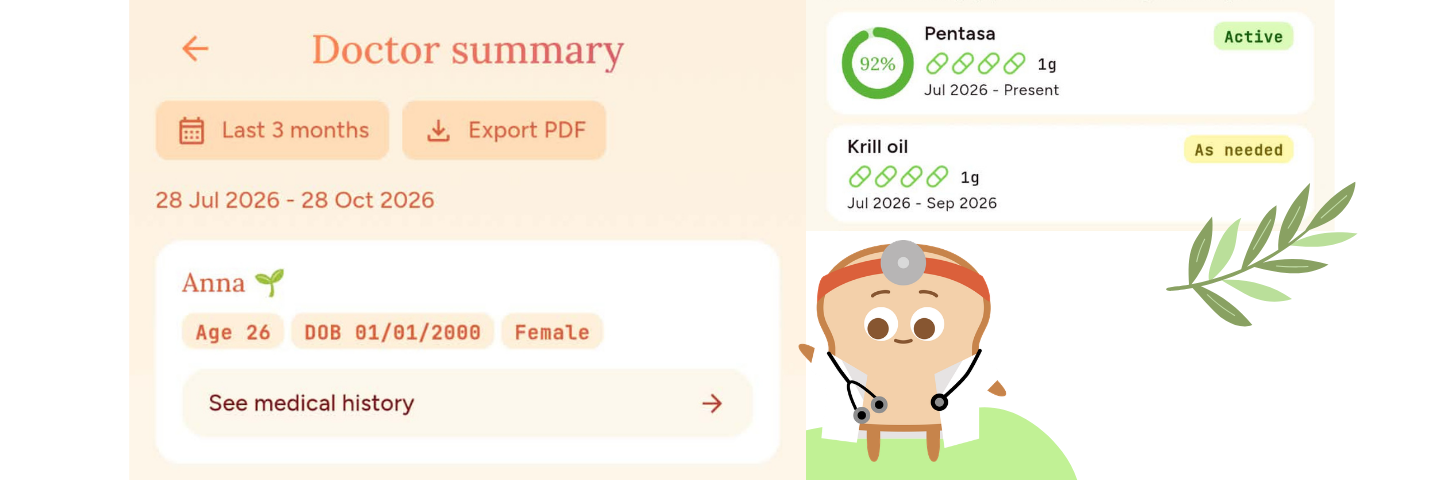
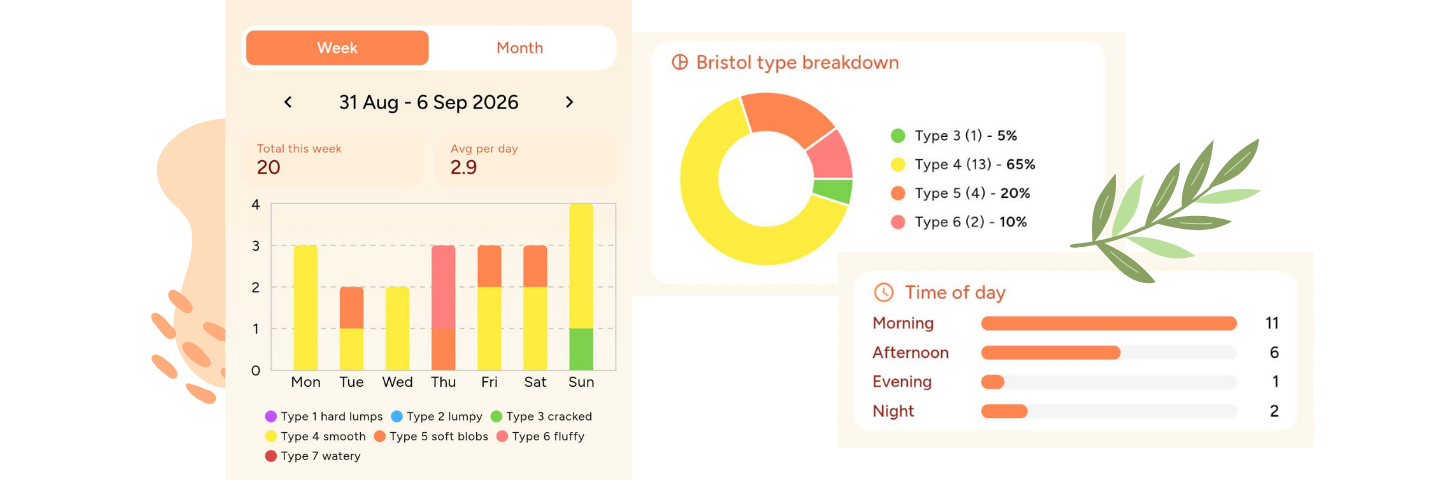
Pro Tip: Manual paper logs can quickly become overwhelming to maintain. You can streamline this using Toastie, an effortless health logging app that lets you snap photos of your meals or record quick voice notes to automatically log your symptoms and detect hidden triggers.
2. Consolidate Your Medical Timeline into a 1-Page Summary
Doctors have limited time to review patient history. Presenting them with pages of unorganized notes can lead to crucial information being missed.
Distill your health notes into a simple 1-page GP Summary. For example:
| Summary Section | What to Include |
|---|---|
| Primary Symptoms | Top 2-3 main concerns ordered by severity. |
| Timeline & Patterns | Onset date, frequency, and noted meal/activity triggers. |
| Current Interventions | Supplements, over-the-counter meds, and lifestyle changes tried so far. |
| Relevant History | Family medical history, past lab results, or known allergies. |
Having a clean, structured printout or PDF ready allows your doctor to grasp your situation within the first 60 seconds of your consultation.
3. Prioritize Your Key Questions
It is common to walk out of a doctor's office and realize you forgot to ask your most important question. Write down a maximum of 3 core questions in advance.
Good questions to ask include:
- "What potential causes or conditions could explain this combination of symptoms?"
- "Are there specific blood tests, scans, or specialist referrals we should consider?"
- "What steps should I take if symptoms worsen before our next follow-up?"
4. Bring Past Lab Results and Scans
If you have seen other specialists, visited an urgent care center, or had blood work done in the past year, bring copies with you or upload them to your digital health portal beforehand.
Organized medical records prevent duplicate testing and give your GP a comprehensive view of how your lab markers have trended over time.
5. Advocate for Yourself During the Consultation
If your symptoms are dismissed as "just stress" or "normal tiredness," remember that you know your body best.
Politely ask for next steps:
- "I understand stress plays a role, but given how severe these flare-ups are, can we run baseline blood panels to rule out underlying physiological causes?"
- "If we are taking a wait-and-see approach, how long should I monitor these symptoms before we re-evaluate?"
Make Your Next Doctor Visit Stress-Free with Toastie
Organizing months of symptoms, meals, and medical history into a doctor-ready format doesn't have to take hours of manual effort.
Toastie makes tracking effortless:
- 📷 Instant Photo & Voice Logging: Log meals, medications, symptoms and more in seconds via quick voice notes or photos.
- 📊 Smart Trigger Analytics: AI automatically cross-references your inputs to identify hidden food, stress, or environmental triggers.
- 📑 1-Click Doctor Reports: Generate clean, structured GP summaries you can print or export directly for your appointment.
Ready to get answers to your health questions? Start tracking effortlessly with Toastie - Health Tracker available on iOS and Android!